BLOG

Mike Naumann
Mike Naumann Immobilien

Taxes When Buying Property on the Costa del Sol

➡️ What buyers from Germany, Austria, and Switzerland need to know

Inquire via WhatsApp
Taxes property purchase Spain

Why a fiscal strategy is essential

Purchasing a property under the Andalusian sun is the fulfillment of a long-held dream for many investors. However, behind the facade of luxury and quality of life lies a complex tax framework. Calculating the cost of a villa or apartment based solely on the asking price is a common mistake. Additional costs (taxes and fees) typically account for 10% to 13% of the purchase price.

A sound tax plan is not a burdensome obligation, but the foundation for a secure and value-stable investment. As your German real estate advisor on the ground, I will accompany you not only in finding the ideal property but also in acquiring it in a fiscally correct and efficient manner.

The Tax Matrix: A Detailed Overview

In Spain, there are two fundamentally different taxation systems for property purchases, depending on whether you are acquiring a resale property or a new build.

1. Property Transfer Tax (ITP) for Resale Properties

When buying a second-hand house or apartment, the Impuesto de Transmisiones Patrimoniales (ITP) applies. The tax rate in Andalusia is competitive but requires attention:

  • ➡️ Rate: Currently, it is generally around 7% of the purchase price.
  • ➡️ Calculation: Pay attention to the "Valor de Referencia" (Reference Value) of the Land Registry. If this is higher than your purchase price, the tax authorities will demand tax based on this higher cadastral value.
  • ➡️ Deadline: Payment must be made within 30 days after signing the deed before a notary.

2. New Builds: IVA and Stamp Duty (AJD)

If you buy directly from a developer, the system differs:

  • ➡️ IVA (VAT): A 10% rate applies as it is a first delivery of property.
  • ➡️ AJD (Stamp Duty): An additional ~1.2% for the formal documentation of the public deed.

Running Costs: The Overlooked Tax Chapter

Many foreign owners are surprised by the fixed annual costs involved in owning property in Spain:

  • IBI (Property Tax): A municipal levy that depends on the property’s cadastral value.
  • Non-Resident Income Tax: Even if you do not rent out the property, the Spanish tax authorities assume a "fictional income" that must be declared annually.
  • Wealth Tax: Property owners with high overall net worth in Spain must verify if they exceed regional tax-free thresholds.

Common Errors We Will Avoid Together

Experience shows that unprepared buyers often fall into avoidable traps. Here are the critical points:

  • Unrealistic Calculations: Ignoring taxes and notary fees puts your liquidity at risk.
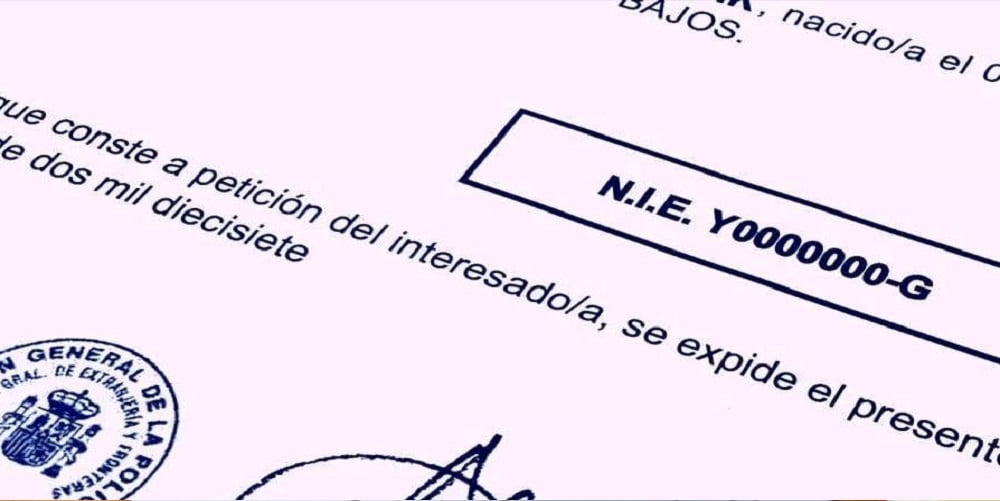
  • Forgetting the NIE Number: Without this identity number, no fiscal transaction is possible. I will take care of this for you.
  • Ignoring Liens: Buying without verifying that the property is free of prior tax debts can be fatal.
  • Double Taxation Knowledge: It is vital to apply Double Taxation Agreements correctly to avoid paying taxes twice on the same object.

Mike Naumann Immobilien – Your Partner for Security

As your German real estate agent on the Costa del Sol, I offer you the transparency often lacking in the Spanish market. My consulting is based on three pillars:

1. Fiscal Clarity: I present all costs upfront. No hidden fees, no unpleasant surprises.

2. Network of Professionals: I connect you with German-speaking tax advisors who protect your cross-border assets.

3. Ongoing Support: I remain your point of contact even after the purchase for annual declarations and property management.

Let’s Plan Your Investment Securely

Avoid unnecessary risks and benefit from local expertise. I am ready to support your project on the Costa del Sol.

Inquire via WhatsApp now
Visit our website for more information
© 2026 Mike Naumann Immobilien
READ MORE
Mike Naumann
Mike Naumann Immobilien

Buying Property in Puerto Banús

➡️ Guide for buyers from the DACH region

Purchasing a luxury property on the Costa del Sol is one of the most exclusive investments in Europe. Within this world-famous coastal region, the luxury marina of Puerto Banús occupies an absolute special position. Those who invest in property here are not just acquiring bricks and square meters, but securing a piece of a globally unique lifestyle. For buyers from Germany, Austria, and Switzerland (the DACH region), the local market offers outstanding opportunities but also harbors country-specific risks without profound market knowledge and linguistic certainty.

As your experienced, German-speaking real estate agent on the ground in the Marbella and Puerto Banús region, I am by your side. My approach consciously differs from the classic, often aggressive commission-driven sales model. I offer you honest, transparent, and well-founded purchase support on equal footing. This guide was specifically developed to show you the decisive factors for a successful and legally secured real estate transaction in Spain's most exclusive marina.

Inquire via WhatsApp now
Premium Locations DACH Purchase Support Puerto Banús Expert
Property Puerto Banus

Why Puerto Banús?

Puerto Banús is the undisputed luxury destination of the Costa del Sol – characterized by majestic yachts, the world's most exclusive designer shops, top-class restaurants, and high-end properties. Those looking for an apartment or a house here appreciate the cosmopolitan flair and seamless infrastructure. The unique symbiosis of Andalusian charm and modern luxury attracts a high-caliber international audience year after year.

  • ➡️ Exclusive seafront location: The immediate proximity to the Mediterranean, fine sandy beaches, and exclusive beach clubs guarantees a quality of life unmatched in Europe. Furthermore, you can reach Marbella's historic center in just a few minutes by car.
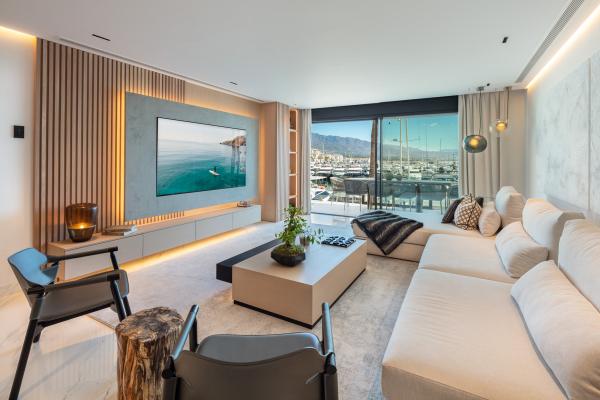
  • ➡️ Luxury properties & villas: From modernized apartments on the front line of the port with panoramic views to magnificent, secluded villas in the adjacent noble districts – the property portfolio meets the highest demands for architecture and comfort.
  • ➡️ International audience: The location attracts investors, entrepreneurs, and private individuals from all over the world. This internationality ensures a vibrant, safe, and value-stable environment that thrives independently of local economic fluctuations.
  • ➡️ Perfect holiday or capital investment: Due to the worldwide unbroken demand for premium rental properties in this micro-location, buying property here represents an excellent way to secure your assets with excellent appreciation prospects.

The real estate market in Puerto Banús

The real estate market in Puerto Banús differs drastically from the rest of the Spanish market. Perhaps the most important characteristic of this enclave is the **very limited supply**. Since the core areas around the port are completely developed, there is hardly any space for new construction projects on "greenfield" sites. Every object that comes onto the market is a rare commodity, leading to persistently high demand with simultaneously scarce supply.

This scarcity is consequently reflected in **high prices and stable value development**. Even in phases of global economic correction, the premium segment in Puerto Banús has proven to be crisis-resistant and value-stable. Asset protection is a priority for many buyers. Whoever buys here invests in a market with built-in value retention.

The offering is primarily divided into **luxury apartments and spacious villas**. While apartments directly by the marina or in gated communities in the second line of the beach (such as Playas del Duque or Los Granados) offer a more urban luxury, exclusive villas are primarily found in the directly adjacent top residential areas. Prices per square meter vary greatly depending on direct views, privacy, and the level of modernization of the property.

Which property fits your goals?

Luxury apartments

Luxury Apartments

Ideal for buyers seeking flexibility. Apartments in closed urbanizations often offer 24-hour security, concierge services, tropical gardens, and extensive pool areas. They are perfect as an uncomplicated second home that you can simply lock up during your absence.

Villas

Villas with Sea View

For maximum privacy and space requirements. A detached villa with its own infinity pool, large plot, and unobstructed view of the Mediterranean represents the non-plus-ultra. In this case, precise examination of plot boundaries and local building regulations (Plan General) is elementary.

Penthouse

Penthouse Apartments

The perfect symbiosis of apartment comfort and the feeling of space of a villa. Penthouses in Puerto Banús usually feature huge roof terraces, private hot tubs, and spectacular panoramic views. They are among the most valuable and fastest-rentable properties on the market.

Important tips for buyers from the DACH region

Spanish real estate law differs in fundamental points from the customary system in Germany, Austria, or Switzerland. Many investors wrongly assume that the Spanish notary – as is customary in the DACH region – fully checks the legal legality of the object. That is a mistake. The notary in Spain primarily certifies the identity of the parties and the contract. The in-depth examination of liens, freedom from debt, and building-law conformity lies in the responsibility of the buyer.

  • ✓ Calculate purchase ancillary costs (10–13%): When purchasing, you must calculate additional costs. These consist of the transfer tax (ITP) for existing properties or the value-added tax (IVA) for new builds, notary fees, costs for entry in the property register (Registro de la Propiedad), as well as any lawyer and gestoria costs.
  • ✓ Notary & Land Registry entry mandatory: Without registration in the Spanish property register, you are not legally protected. Beforehand, a current land register excerpt (Nota Simple) must be pulled and evaluated completely to ensure that no old mortgages, tax debts, or seizures are burdened on the object that you would acquire as the new owner.
  • ✓ A German agent on site makes everything easier: Language barriers, opaque legislative changes, and cultural differences in negotiation often lead to fatal errors without professional support. An experienced, German-speaking agent on site acts as a shield and ensures smooth coordination of all processes.

Mike Naumann Immobilien – Your local German broker

As an independent real estate agent, I offer you the security and transparency you expect from a reliable partner when purchasing a property in Puerto Banús. I have consciously decided against the working methods of large franchise chains, where the quick deal is in the foreground. With me, you receive tailored support based on the values of honesty, Hanseatic reliability, and profound market knowledge.

My service promise to you includes three core areas:

1. Dedicated German contact person: No changing advisors, no language barriers. I lead negotiations in your interest and translate complex Spanish matters understandably for you.

2. Professional & independent advice: If a property has defects, the location has disadvantages, or the price is simply excessive, I tell you that openly and directly. My goal is your long-term success, not the quick commission.

3. Transparent purchase processing: I accompany you through the entire Spanish bureaucratic system – from applying for the mandatory Spanish tax number for foreigners (NIE number) to opening a local bank account, to close coordination with specialized German-speaking lawyers.

Capital Investment & Rental in Puerto Banús

Many buyers from the DACH region acquire an object with the goal of achieving an attractive return through holiday rentals or to rent out the property during months they are not in Spain themselves. In Puerto Banús, the **demand for luxury holiday homes** is phenomenally high. The peak season, thanks to the Costa del Sol's unique microclimate, spans the entire year, with absolute peak values in the spring and summer months.

This results in **top return opportunities** for well-positioned properties. To fully exploit these potentials, investors must pay close attention to the legal framework. In Andalusia, holiday rentals are strictly regulated. Every object requires an official tourist rental license (VFT/RTA). Furthermore, homeowners' associations (Comunidades) now have the right to restrict tourist rental within a facility under certain conditions. I meticulously check these statutes for you in advance.

After a successful purchase, my service does not leave you in the lurch. Through the **professional support of Mike Naumann Immobilien**, I provide you with reliable contacts for post-sales management: from tax registration of rental income to the mediation of first-class property management, as well as service providers for key handover, cleaning, and maintenance.

Avoid common mistakes when buying property

Practice shows that foreign buyers in Spain repeatedly fall into the same avoidable traps. The biggest mistake is **buying without independent experts**. Those who rely blindly on the statements of the seller's agent risk overlooking hidden defects or legal liabilities, as this agent primarily represents the seller's interests.

Another point is **unrealistic expectations**. Some buyers are dazzled by retouched listing photos and neglect to check the immediate neighborhood. Noise pollution in high season, upcoming large construction sites in the direct vicinity, or poor orientation of the object (important for winter months) drastically reduce value and quality of life.

However, the most serious mistake concerns **incomplete document verification**. Is the first occupancy license (Licencia de Primera Ocupación) present? Are there illegal building extensions carried out by the previous owner without a building permit? Such violations indeed expire under certain circumstances in Spain, but can cause massive problems with the building authority (Urbanismo) during later resale or planned renovations. I ensure that every document is examined completely beforehand.

Conclusion

Puerto Banús remains one of the most sought-after, crisis-resistant, and exclusive addresses for luxury properties, holiday homes, and high-yield capital investments in Europe. If you approach the purchasing process with the necessary diligence, professional support, and no time pressure, nothing stands in the way of your dream of property ownership in the Costa del Sol's most exclusive marina.

Mike Naumann Immobilien – Your German real estate agent in Puerto Banús. Trust in honest advice, comprehensive service, and secure processing. Let's discuss your project together.

Google Reviews
Read all reviews on Google
© 2026 Mike Naumann Immobilien
READ MORE

Tax Obligations for Non-Residents Owning Property in Spain


Tax Declaration Requirement for Non-Residents

Non-residents who own property in Spain are legally required to submit a tax declaration, even if the property is used exclusively for private purposes and generates no rental income. This obligation applies to most property owners from the EU, the United Kingdom, Switzerland and other non-Spanish residents.


Who Is Considered a Non-Resident in Spain

You are considered a non-resident for tax purposes if

  • you spend fewer than 183 days per year in Spain

  • your primary tax residence is outside Spain

  • you are not subject to unlimited tax liability in Spain


Applicable Tax: Non-Resident Income Tax

The relevant tax is the Non-Resident Income Tax Impuesto sobre la Renta de No Residentes, IRNR

This tax applies regardless of whether the property is rented or not.


Property Not Rented (Private Use or Vacancy)

Spanish tax law assumes a deemed rental income.

Calculation basis

  • 1.1 percent of the cadastral value if updated within the last ten years

  • 2 percent if not updated

Tax rates

  • 19 percent for EU and EEA residents

  • 24 percent for non-EU residents

Tax filing

  • Form Modelo 210

  • Annual filing, usually by 31 December of the following year


Property Rented Out

Rental income must be declared.

EU and EEA residents

  • Tax rate 19 percent

  • Deductible expenses include maintenance, property tax IBI, community fees and management costs

Non-EU residents

  • Tax rate 24 percent

  • No expense deductions allowed

Tax filing

  • Form Modelo 210

  • Quarterly submission


Example Calculation

Cadastral value 120,000 EUR Deemed income 1.1 percent equals 1,320 EUR Tax at 19 percent equals 250.80 EUR per year

READ MORE

2026 Real Estate Market Forecast for the Costa del Sol, Granada Region and East Málaga


The Andalusian property market remains one of the strongest and most stable in Europe. For 2026, analysts expect continued growth driven by international demand, tourism and limited coastal availability. Below is a detailed market outlook including key figures for the Costa del Sol, the Granada region and East Málaga.


Price Development on the Costa del Sol in 2026

Expected price growth: 5 to 9 percent.
New developments: 3,500 to 6,500 €/m²
Resale properties: 2,800 to 4,500 €/m²


Granada Region and Costa Tropical Outlook

Average prices range between 1,400 and 2,300 €/m² and 2,000 to 2,900 €/m² on the Costa Tropical.
Annual growth forecast: 3 to 5 percent.
Renovation projects can increase in value by 15 to 30 percent.


East Málaga: Axarquía, Rincón de la Victoria, Torre del Mar, Torrox and Nerja

One of the fastest-growing regions.
Prices: 2,400 to 4,000 €/m², premium locations up to 5,000 €/m².
Inland Axarquía: 1,800 to 2,500 €/m² with yearly growth of 4 to 7 percent.
Holiday rentals achieve occupancy rates of 75 to 90 percent.


International Demand

Over 30 percent of buyers come from abroad, especially Germany, Scandinavia, the Netherlands, the UK, France, Canada and the USA.


Supply Outlook 2026

Supply remains limited, especially in coastal areas. New developments sell quickly due to high demand.


Rental Yields

Costa del Sol: 5 to 7 percent
Costa Tropical: 4 to 6 percent
East Málaga: 5 to 7 percent


Conclusion

The 2026 market offers excellent opportunities for both buyers and investors. All three regions show strong stability, rental performance and long-term appreciation.


Real estate offers

READ MORE

Why the Costa del Sol is the Best Place in Europe for Golfers


The Costa del Sol has long been Europe’s leading golf destination. With over seventy courses, a unique microclimate and premium infrastructure, the region offers conditions that are unmatched anywhere else in Europe. For golfers from Germany, Austria and Switzerland, the Costa del Sol is not only an ideal travel destination but also one of the most attractive places to invest in property.


Golfing 365 Days a Year


While golf in Central Europe is heavily dependent on the seasons, the Costa del Sol allows for almost year-round play. With around 300 days of sunshine per year, mild winter temperatures and pleasant summer weather, golfers always enjoy perfect conditions. Compared to Switzerland, Austria and Germany, where many courses close during winter months, the Costa del Sol offers a continuous season and significantly more opportunities to play and enjoy a high-quality lifestyle.


Europe’s Highest Course Density and Unmatched Variety


Few regions in Europe offer the variety of courses found here. From internationally renowned championship courses to relaxed resort layouts, the Costa del Sol provides challenges for every handicap and skill level. The high density of golf clubs also ensures short distances between courses and a wide range of options, allowing golfers to experience new courses every day.


Perfect Infrastructure for Discerning Golfers


The Costa del Sol boasts an excellent infrastructure designed specifically for international golfers. Modern clubhouses, professional golf academies, high-end pro shops and top-quality practice facilities create ideal training conditions. At the same time, international access via Málaga Airport, exclusive hotels, fine dining and numerous leisure options ensure that every aspect of life off the course meets the highest standards.


Why Golfers Invest in Property Here


For buyers from the DACH region, the Costa del Sol offers a unique combination:

  • Secure investment in a growing region

  • Year-round use thanks to the ideal climate

  • High demand for rental properties from golf tourists

  • Attractive properties with golf or sea views in every price segment

Prime&Nova Estates guides clients with an approach that combines expertise and modern marketing methods. Experience meets Innovation is not just a slogan, it is our promise: We combine long-standing market experience with cutting-edge digital solutions to help our clients find the best properties near the Costa del Sol’s golf courses.


Conclusion


The Costa del Sol is not only a paradise for golfers but also the perfect place for people seeking a high-quality lifestyle, year-round leisure opportunities, and attractive property investments. For golfers from Germany, Austria and Switzerland, this region is the number one choice in Europe.


FIND CURRENT PROPERTIES HERE

READ MORE

The Golf Courses of the Costa del Sol – Variety, Challenge and Highest Quality


The Costa del Sol truly deserves its nickname Costa del Golf. With more than seventy golf courses, the region offers an impressive range for players of all levels. From international championship venues to relaxed resort-style courses, every golfer finds ideal conditions. Anyone looking to buy a property on the Costa del Sol benefits not only from the climate but also from the exceptional density of high-quality golf facilities.

Below is an overview of some of the most renowned courses, their difficulty levels and the unique features that make them so special.


Real Club Valderrama – One of Europe’s Finest Golf Courses


Location: Sotogrande
Difficulty level: Very challenging

Valderrama is considered the king of Spanish golf courses. International tournaments such as the Ryder Cup and the Volvo Masters have made the course world-famous. Narrow fairways, fast greens and strategically placed cork oak trees demand precise play and full concentration. For experienced golfers, Valderrama is one of the greatest challenges on the Costa del Sol.


La Cala Golf Resort – Three Courses, Three Characters


Location: La Cala de Mijas
Difficulty level: Medium to challenging

La Cala is the largest golf resort in Spain, offering three distinct 18-hole courses.
Americas Course stands out with its hilly terrain and wide fairways.
Asia Course demands precision, especially on narrow sections.
Europa Course is more open but remains tactically demanding due to its water hazards.
Perfect for golfers who seek variety and excellent practice opportunities close to home.


Los Naranjos Golf Club – Perfect for Ambitious Golfers


Location: Marbella, Nueva Andalucía
Difficulty level: Medium

Los Naranjos is one of the most popular courses in Marbella’s famous Golf Valley. Wide fairways make the start enjoyable, yet strategically placed bunkers and large greens require strong short-game skills. Highly recommended for mid- to low-handicap golfers. The modern club atmosphere appeals to an international community.


Finca Cortesín – Modern, Exclusive and Impeccably Maintained


Location: Casares
Difficulty level: Challenging

Finca Cortesín is one of the most elegant courses on the Costa del Sol and host to prestigious international events. The course is long, technically demanding and famous for its exceptionally fast, perfectly maintained greens. It is ideal for golfers who value luxury, tranquillity and first-class facilities.


Marbella Golf & Country Club – Technically Demanding


Location: Marbella East
Difficulty level: Medium to high

Designed by Robert Trent Jones Sr., this course is one of the most technically challenging in the region. Narrow fairways, significant elevation changes and wind-exposed holes make it especially appealing to strategic players. The course also offers stunning views and a peaceful natural environment.


Atalaya Golf – Ideal for Golfers of All Levels


Location: Estepona
Difficulty level: Easy to medium

Atalaya features an Old Course and a New Course. The Old Course offers wide fairways and few surprises, making it ideal for beginners and leisure players. The New Course is more challenging and requires precise shots. Both courses are popular for their well-maintained design and friendly atmosphere.


Santana Golf – A Modern Classic


Location: Mijas Costa
Difficulty level: Medium

Santana Golf offers a flat and pleasant layout that still incorporates tactical challenges. The course is known for its tranquillity, excellent maintenance and wide fairways with clear sightlines. A great choice for golfers who appreciate a consistent and harmonious playing experience.


Estepona Golf – Fair, Open and Beautifully Located


Location: Estepona West
Difficulty level: Medium

Estepona Golf combines open fairways with cleverly designed holes. Players enjoy a relaxed atmosphere, attractive green fees and a superb location. Many golfers appreciate the course because it offers a fair and varied round for both beginners and advanced players.


Los Arqueros Golf – Precision Over Power


Location: Benahavís
Difficulty level: Challenging

Designed by Severiano Ballesteros, Los Arqueros is a technically demanding course with narrow fairways and many elevation changes. Here, strategy matters more than strength. A favourite among experienced golfers looking for a rewarding challenge.


Conclusion – A Paradise for Golfers and Property Buyers


The Costa del Sol offers an impressive variety of golf courses for every skill level. Whether you are a beginner, an experienced hobby golfer or a competitive player, this region provides the ideal course – often just minutes from your future home. For buyers from Germany, Austria and Switzerland, the combination of climate, quality and infrastructure is especially attractive.


DISCOVER CURRENT PROPERTY OFFERS HERE

READ MORE

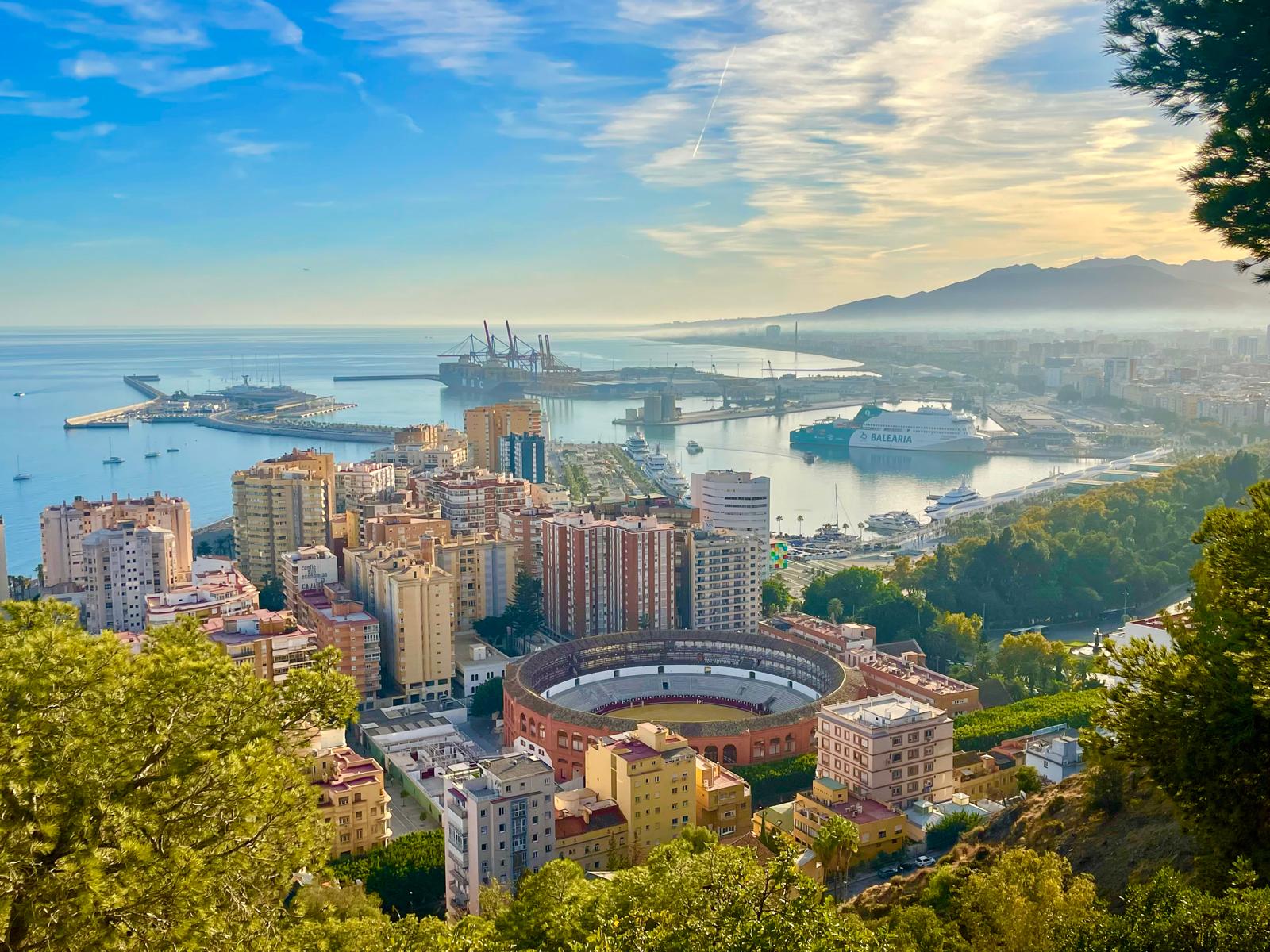
Málaga – Discover the Jewel of the Costa del Sol

Málaga, the vibrant capital of the Costa del Sol, combines culture, sun, and sea to offer a unique lifestyle experience. The city features a perfect blend of historic architecture, modern amenities, and a dynamic urban life, making it an attractive destination for real estate in Málaga.

Historical and Cultural Heritage

Málaga is known for its impressive history and cultural landmarks. The Alcazaba, the Roman Theater, and Málaga Cathedral attract visitors from all over the world. Art lovers appreciate the Picasso Museum, as Málaga is the birthplace of the famous artist Pablo Picasso. Numerous galleries, theaters, and cultural events make life in Málaga exciting and varied.

Beaches and Leisure

Málaga’s coastline offers long sandy beaches such as La Malagueta and Playa de Pedregalejo, popular with both locals and tourists. Water sports like sailing, surfing, and paddleboarding are easily accessible. The promenades invite walking, jogging, or enjoying a coffee by the sea.

Gastronomy and Lifestyle

Málaga offers a diverse gastronomy: tapas bars, modern restaurants, and international cuisine. Fresh seafood and traditional Andalusian specialties are highly recommended. The city is also known for its vibrant nightlife and charming plazas, perfect for enjoying wine and Spanish ambiance.

Real Estate in Málaga

The demand for real estate in Málaga is high, both for holiday apartments and permanent residences. From modern apartments near the beach to exclusive penthouses with sea views and historic townhouses, Málaga offers options for every taste and budget. Prime&Nova Estates assists buyers and investors in finding their dream property on the Costa del Sol.

Location and Infrastructure

Málaga has excellent infrastructure: Málaga-Costa del Sol Airport connects the city to many European destinations, and modern road and train networks ensure mobility. Schools, shopping centers, and healthcare facilities make Málaga ideal for families and investors.

Conclusion

Málaga is more than a tourist destination – it combines culture, lifestyle, beachfront access, and exclusive real estate into a unique package. Living or investing in Málaga offers the ultimate Mediterranean experience.

READ MORE

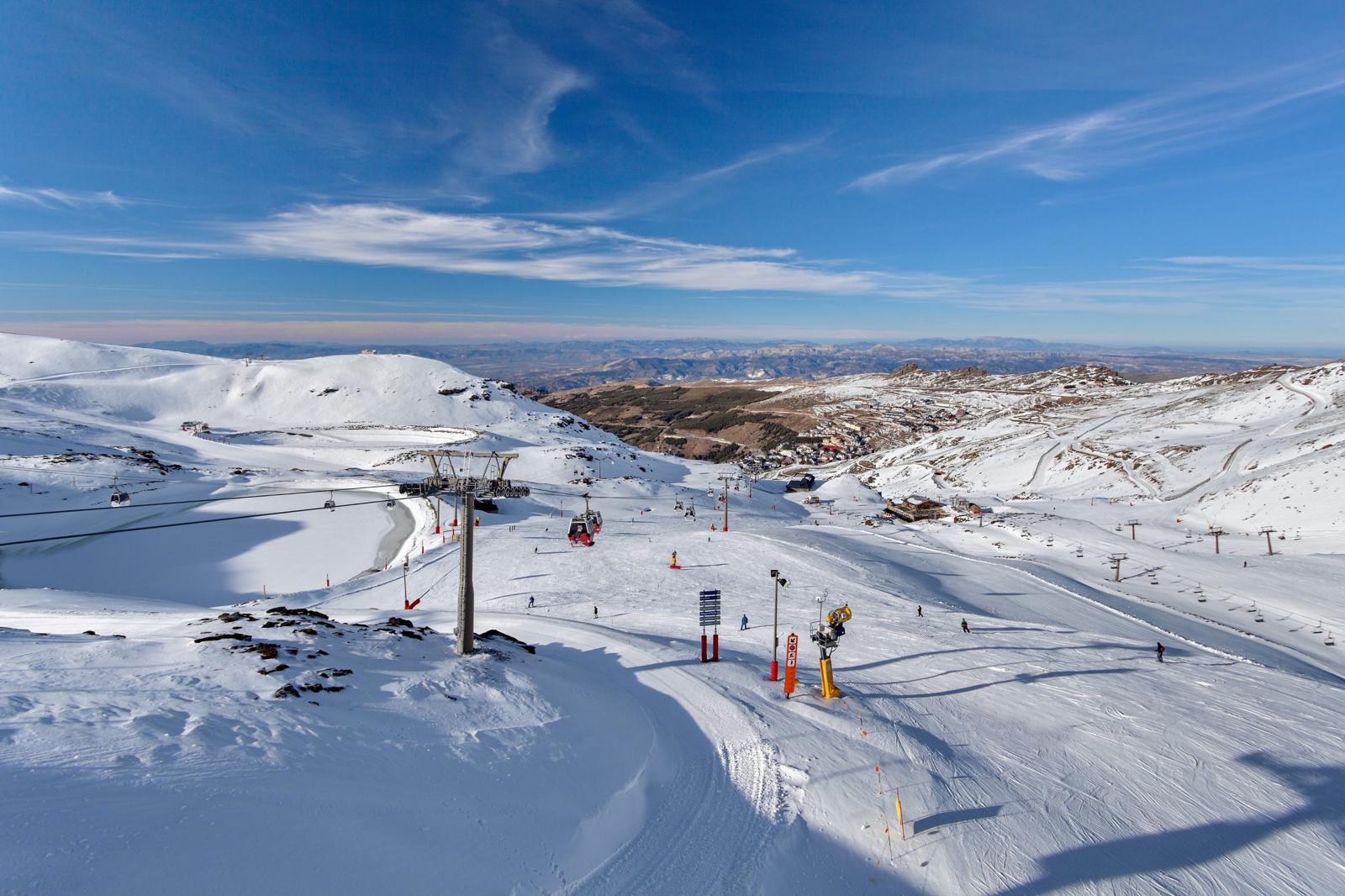
Sierra Nevada – Skiing and Swimming in the Sea on the Same Day


The Sierra Nevada in Andalusia is one of Europe’s most remarkable natural regions. As the highest mountain range in Western Europe outside the Alps, it offers one of the sunniest ski resorts on the continent. Its unique location makes it the only place in Europe where you can ski in the morning and swim in the Mediterranean Sea on the same day.

For property buyers on the Costa del Sol, Sierra Nevada adds exceptional lifestyle value, just 1.5 to 2 hours from Málaga.

Prime&Nova Estates with Mike Naumann and Leonie Gierlinger provides expert guidance on lifestyle, location, and investment opportunities. Experience meets Innovation.


A Unique Winter Sports Climate

With peaks over 3,000 meters, Sierra Nevada enjoys a long ski season from November to May. Wide slopes, excellent snow conditions and modern lifts create ideal conditions for families and experienced skiers alike.


Close to the Coast

Located in the province of Granada, Sierra Nevada is easily accessible from the Costa del Sol. The short travel time makes it possible to spend the morning skiing and the afternoon relaxing at the beach.


Nature and National Park

Beyond winter, the Sierra Nevada National Park offers hiking, cycling, mountain lakes and spectacular vistas, attracting nature lovers year-round.


Close to Granada

Only 30 minutes from the historic city of Granada, visitors can combine mountain activities with culture, gastronomy and UNESCO heritage sites.


Added Value for Property Buyers

Its proximity to an international ski resort increases the appeal of living on the Costa del Sol. Residents enjoy a Mediterranean climate combined with winter sports just a short drive away.

Prime&Nova Estates – Experience meets Innovation.

READ MORE

Why Monthly Community Fees Vary on the Costa del Sol


Community fees differ widely between residential complexes on the Costa del Sol. Some owners pay as little as 60 to 90 euros per month, while others pay 300 to 400 euros. This variation is the result of multiple structural, technical and administrative factors.

Prime&Nova Estates, represented by Mike Naumann and Leonie Gierlinger, provides transparent guidance to help buyers understand what influences these costs. Experience Meets Innovation reflects our approach of combining expertise with modern insight.

Shared facilities and services

The more amenities a complex offers, the higher the monthly fees. Examples include landscaped gardens, multiple pools, gyms, spas, sports courts and 24-hour security.

Building technology and maintenance

Features such as elevators, access control systems, underground garages with ventilation, CCTV or air-conditioned common areas require constant maintenance and increase monthly expenses.

Number of owners

Small complexes distribute costs among fewer owners, often resulting in higher individual fees.

Location and construction quality

Frontline beach developments or high-quality buildings require more frequent maintenance, especially due to sea air and humidity.

Management and reserve fund

A well-managed community with a solid reserve fund ensures long-term stability. Poorly funded communities may need to raise fees unexpectedly.

Conclusion

Different community fees reflect the level of services, construction quality and maintenance needs. Prime&Nova Estates provides in-depth analysis for every property. Mike Naumann and Leonie Gierlinger guide clients through informed and secure purchasing decisions.

READ MORE

The Best Day Trips Under One Hour from Málaga


The Costa del Sol offers an impressive variety of destinations that can be reached within one hour. Whether culture, nature, beaches or family-friendly attractions – the region provides endless possibilities for residents, investors and visitors.


Caminito del Rey

One of Spain’s most spectacular hiking routes with dramatic cliffs and panoramic views.

Mijas Pueblo

A traditional white village with charming alleys, viewpoints and Andalusian culture.

Nerja & the Balcony of Europe

Known for its Mediterranean views, coves and the famous Nerja Caves.

El Torcal de Antequera

A unique nature reserve with impressive limestone formations.

Lake Viñuela

A peaceful reservoir offering water sports, nature and rural gastronomy.

Granada & the Alhambra

UNESCO World Heritage Site with Moorish palaces and gardens.

Marbella & the Old Town

Mediterranean lifestyle, luxury yachts at Puerto Banús and a charming historic centre.

Bioparc Fuengirola

A modern zoo designed with naturalistic habitats.

Ronda

Iconic town with a breathtaking gorge and historic city centre.

Frigiliana

One of Spain’s most beautiful white villages.

Estepona

Flower-decorated streets, coastal promenade, botanical gardens.

Benalmádena Marina & Sea Life

Marina, aquarium and many leisure options.

Torremolinos & Parque de la Batería

Modern town with a large urban park and coastal promenade.

Antequera & the Dolmens

UNESCO megalithic monuments and historic city center.

Marbella Sierra Blanca

Hiking trails with sea and mountain views.

Comares

A panoramic mountain village with Andalusian charm.

Torre del Mar

Long beaches and a wide promenade ideal for cycling and leisure.

Almuñécar

Tropical climate, botanical gardens and historical sites.

Selwo Aventura Estepona

A safari-style animal park perfect for families.

READ MORE

Your Home in the Sun – With a Smart Plan


Owning property in Spain is a dream for many, but the process requires careful planning. Prime&Nova Estates helps international buyers make safe, transparent, and profitable real estate investments across the Costa del Sol.


1. Legal security and property verification


Always review the Nota Simple, confirming ownership and existing debts. Prime&Nova Estates works with specialized lawyers to ensure a secure purchase.

2. NIE number and Spanish bank account


Foreign buyers need an NIE (tax ID) and a Spanish bank account to handle payments and taxes.

3. Reservation and purchase contract


Start with a reservation contract, then sign the private purchase contract with a 10 % deposit. The sale is finalized at the notary.


4. Purchase costs


Expect 10–13 % additional costs (taxes, notary, legal fees, registry). Prime&Nova Estates provides full transparency.

5. Tourist license


If you plan to rent, a tourist license (VFT) is required in Andalusia for legal rentals.


6. Property inspection and energy certificate


An energy efficiency certificate is mandatory. We help assess renovation costs and value potential.


7. Financing


Spanish banks offer up to 70 % financing. Prime&Nova Estates cooperates with local banks to secure the best mortgage offers.


8. After the purchase


Transfer utilities and take out home insurance for peace of mind.

Conclusion


Buying property in Spain is simple when you know the process. With Prime&Nova Estates – Experience meets Innovation, you gain security, expertise, and personalized guidance.

READ MORE

When you buy a home or apartment on the Costa del Sol, you automatically become part of a Community of Owners (Comunidad de Propietarios). This system, regulated by Spanish property law, governs how shared areas are managed, maintained, and financed. Understanding your rights and obligations is key to a stress-free ownership experience.


What is a Community of Owners?

A community is formed by all property owners within a building or residential complex. Together, they are responsible for the upkeep and administration of communal areas such as gardens, pools, entrances, lifts, and façades.

Community Rules and Statutes

Each community has its own Statutes and often an Internal Regulation. These define how costs are distributed, what rules apply to communal areas, and the rights and duties of each owner.

Owners’ Rights

  • Attend and vote at community meetings

  • Review financial reports and administrative records

  • Participate in decisions about budgets, repairs, and improvements

  • Expect transparent and fair management

Owners’ Obligations

  • Pay community fees (cuotas comunitarias) on time

  • Respect neighbours and community rules

  • Maintain your property and report damages that could affect others

Failure to pay fees can lead to legal action and, in severe cases, property seizure.

President and Administrator

Each community elects a president and often appoints a professional Administrator of Properties (Administrador de Fincas), who handles finances, maintenance, and meetings.

Renovations and Structural Changes

Any works affecting the structure or exterior appearance of the building require prior approval from the community. Internal renovations are generally allowed if they don’t impact communal areas or neighbours.

Conflicts and Legal Solutions

Conflicts should first be addressed internally with the president or administrator. If no resolution is reached, disputes can be settled in court under the Spanish Horizontal Property Law.

Conclusion

Living in a Community of Owners on the Costa del Sol offers comfort, well-maintained surroundings, and a sense of security. By respecting the rules and contributing to the community, you help preserve your property’s value and enjoy peaceful coexistence.

READ MORE

Some places you visit… others you feel.
Andalusia is one you feel.
From Estepona to Granada, this region isn’t just a destination – it’s an experience: sunshine, history, flavour and magic, with surprises at every turn.


Estepona – Where Art Blooms on Every Wall


Estepona is an open-air gallery.
Over 60 massive murals transform the town into a living museum. One of them, “Día de Pesca”, covers six buildings, making it the largest mural in Europe.
Beneath the streets lie Roman saltworks that date back over 2,000 years.


Marbella – Luxury with Andalusian Soul


Today Marbella means glamour, but in the 19th century it was a steel mining town – the famous Golden Mile was once just a dusty mule path.
In its heart, the Orange Square still blooms with trees planted more than 500 years ago.
Marbella is not only about luxury – it’s about refined living with deep roots.


Mijas – Where Time Slows Down


Mijas feels like a painting – whitewashed houses, narrow lanes and views stretching to the sea.
In its old quarter stands a hidden gem: the oval-shaped bullring, built in 1900 – one of the few oval arenas in Spain.
Carved directly into the rock, it offers panoramic views reaching Gibraltar and Africa. A timeless symbol of Andalusian spirit.


Benalmádena – Spiritual Energy by the Sea


Here stands the largest Buddhist stupa in Europe, a beacon of peace.
Nearby, the world’s smallest castle, Castillo Colomares, was built as a tribute to Columbus’ discovery of America.
Benalmádena is where spirituality, history and sea unite.


Málaga – One of Europe’s Oldest Cities


With over 2,800 years of history, Málaga is older than Rome or London.
Beneath the streets lie Phoenician, Roman and Moorish layers of civilization.
Today it’s a cultural hub – a city of art, light and energy, with 14 km of golden beaches right by the old town.


Nerja – The City Above the Underground World


Below Nerja lies a labyrinth of prehistoric caves, featuring cave paintings over 40,000 years old – possibly the oldest artworks ever discovered.
Above, the Balcony of Europe offers breathtaking views where sea and mountains meet.


Frigiliana – Where History Has a Scent


Frigiliana is pure poetry – a Moorish white village with centuries-old charm.
It produces Europe’s last traditional sugarcane honey, made the same way since the 1600s.
A walk here feels like a journey through time.


Granada – Snow, Sun and Magic


Granada is pure contrast.
In the morning you can ski in Sierra Nevada, and in the afternoon swim in the Mediterranean – just 45 minutes apart.
The Alhambra glows red at sunset, while the Sacromonte caves echo with the most authentic flamenco rhythms.


The Soul of Andalusia


Andalusia isn’t visited – it’s lived.
Every home, every sunrise, every street tells a story.
Find your piece of paradise with Mike Naumann Real Estate – because here, every home is a way of living happiness.

READ MORE

The Costa del Sol, also known as the "Costa del Golf", is home to over 70 world-class golf courses, making it one of the top golf destinations in Europe. With its mild, sunny climate, breathtaking sea views, and impeccably maintained fairways, it's a true golfer's paradise.

Whether you're looking for a challenging championship course or a scenic, relaxing round, the Costa del Sol has it all. Here are some of the best courses you should not miss:


Top Golf Courses on the Costa del Sol

1️⃣ Real Club Valderrama (Sotogrande) – Spain’s Most Prestigious Course 

Location: Sotogrande (Cádiz)
Ranked: One of Europe’s best golf courses
Famous for: 1997 Ryder Cup & Andalucía Masters

This legendary course is one of the finest in the world, known for its immaculate design and challenging fairways.

Exclusive & prestigious – a must-play for serious golfers!


2️⃣ Finca Cortesín Golf Club (Casares) – Elegance & Perfection ⛳

Location: Casares
Ranked: Among Spain’s top courses
Famous for: 2023 Solheim Cup

A luxurious course featuring wide fairways, strategic bunkers, and world-class maintenance – a golfer's dream.

Perfect for golfers who appreciate exclusivity & quality.


3️⃣ La Reserva Club (Sotogrande) – Pure Elegance & Nature 

Location: Sotogrande
Ranked: One of the most scenic courses in southern Spain
Famous for: Wide fairways & a private, peaceful setting

A spectacular course with top-tier service and a luxurious beach club – ideal for high-end golfers.

Private & exclusive – perfect for those who love luxury.


4️⃣ Los Naranjos Golf Club (Marbella) – A Classic with Charm 

Location: Marbella
Ranked: One of Marbella’s most popular courses
Famous for: Perfectly designed for all skill levels

Wide fairways, fast greens, and a fantastic clubhouse atmosphere make this a must-visit.

A top choice for golfers in Marbella!


5️⃣ Marbella Golf & Country Club – Challenge & Stunning Views ⛳

Location: Marbella
Ranked: One of the most picturesque courses in the region
Famous for: Breathtaking Mediterranean views

Designed by Robert Trent Jones Sr., this course offers a thrilling mix of ocean views and strategic play.

Perfect for golfers who love a challenge & great scenery.


6️⃣ Santana Golf (Mijas) – A Hidden Gem 

Location: Mijas
Ranked: Great value for money
Famous for: Tranquil setting & enjoyable design

A peaceful yet challenging course surrounded by nature and avocado trees.

Perfect for a relaxed, enjoyable round of golf.


7️⃣ La Cala Golf Resort – Spain’s Largest Golf Resort ⛳

Location: Mijas
Ranked: Three spectacular 18-hole courses
Famous for: A world-class golf & wellness resort

With three championship courses, La Cala Golf Resort offers unmatched variety and quality.

Ideal for golf vacationers!


8️⃣ Atalaya Golf & Country Club – Two Great Courses 

Location: Estepona
Ranked: Popular & accessible
Famous for: Classic Old Course & modern New Course

With two distinct 18-hole courses, it’s great for golfers of all levels.

A must for players who love variety!


9️⃣ Alcaidesa Links Golf Resort – A True Links Experience 

Location: San Roque (near Gibraltar)
Ranked: One of the few true links courses in Spain
Famous for: Spectacular views of the Mediterranean & Gibraltar

With dunes and coastal winds, this course feels like a Scottish links in southern Spain.

A must-play for links golf fans!


Torrequebrada Golf Club – A Spectacular Hidden Gem ⛳

Location: Benalmádena
Ranked: One of the most scenic & challenging courses
Famous for: Tight fairways & stunning elevation changes

A diverse course with elevated greens and panoramic views – a true test of skill.

A must-play for strategic golfers!


Why Play Golf on the Costa del Sol?

The Costa del Sol is a golfer’s paradise – and here’s why:

Over 320 sunny days per year ☀️
More than 70 world-class golf courses 
Breathtaking sea & mountain views 
Top-tier gastronomy & luxury resorts 
Easy access via Málaga & Gibraltar airports ✈️

From challenging championship layouts to relaxed resort courses, the Costa del Sol has something for every golfer!

READ MORE

Buying a property on the Costa del Sol is an attractive investment opportunity or second home option for many Europeans, Swiss, British, and non-EU citizens. Financing through a Spanish bank is a common option. This guide explains the requirements, conditions, necessary documents, and provides financial examples for different buyer groups.


1. Financing Options with Spanish Banks


Spanish banks typically offer mortgage loans for non-residents with a term of up to 25-30 years. The maximum loan-to-value (LTV) ratio varies by buyer group:

  • EU Citizens (e.g., Germans, Austrians, Dutch): Up to 70% of the property value

  • Swiss & British (Non-EU Citizens): Up to 60% of the property value

  • Americans & Other Non-Europeans: Up to 50-60% of the property value

The current interest rates for 2025 range from 3.5% - 4.5% variable or 4% - 5% fixed, depending on the applicant’s creditworthiness and chosen bank.


2. Mortgage Requirements


To obtain a mortgage from a Spanish bank, buyers must meet the following criteria:

Stable income: Proof of salary payments or self-employed income ✅ Debt-to-income ratio: Monthly loan commitments should not exceed 35-40% of net income ✅ Good credit history: No negative credit reports ✅ Equity contribution: At least 30-50% of the purchase price plus additional costs, depending on nationality


3. Required Documents for Mortgage Application


The following documents are required by Spanish banks to process a mortgage application:

???? Passport or ID card ???? NIE number (Tax ID for foreigners in Spain) ???? Proof of income: Last 3-6 months' pay slips, last 2 years’ tax returns ???? Bank statements from the past 6 months ???? Debt overview: Loan agreements or mortgage statements ???? Property purchase contract or reservation agreement ???? Proof of equity contribution

Additional documents may be required, especially for self-employed individuals and business owners.


4. Financial Examples for Different Buyer Groups


Example 1: Financing for a German Buyer

  • Property price: €500,000

  • Mortgage (70% financing): €350,000

  • Equity contribution: €150,000

  • Interest rate: 4% fixed

  • Term: 25 years

  • Monthly payment: Approx. €1,850

Example 2: Financing for a Swiss Buyer

  • Property price: €500,000

  • Mortgage (60% financing): €300,000

  • Equity contribution: €200,000

  • Interest rate: 4.2% variable

  • Term: 20 years

  • Monthly payment: Approx. €1,850

Example 3: Financing for an American Buyer

  • Property price: €500,000

  • Mortgage (50% financing): €250,000

  • Equity contribution: €250,000

  • Interest rate: 4.5% fixed

  • Term: 15 years

  • Monthly payment: Approx. €1,900


5. Additional Financial Services from Our Partner Bank


As an official partner of a Spanish bank, we offer our clients tailored financing solutions:

???? Opening a Spanish bank account for transactions & additional costs ???? Mortgages with fixed and variable interest rates ???? Special conditions for investors & second home buyers ???? Complete processing and consultation in German & English


Conclusion: Is Financing on the Costa del Sol a Good Option?


Financing a property in Spain can be an excellent opportunity to acquire a house or apartment on the Costa del Sol. Particularly for Europeans, the conditions are favorable as they can secure higher loan amounts.

We are happy to assist you in financing your dream property and will guide you through the entire process. Contact us for a personalized consultation!

READ MORE

The Costa del Sol is one of Spain’s most attractive regions for real estate investment. With its sunny climate, high tourist demand, and still competitive prices compared to other European coastal areas, many wonder whether buying a property as an investment in this region is worthwhile.


1. Profitability and Investment Opportunities


The profitability of a property on the Costa del Sol depends on several factors, including location, property type, and investment strategy. There are two main ways to generate income:

  • Holiday Rentals: Due to the high influx of tourists, short-term rentals are a profitable option, especially in cities like Marbella and Málaga.

  • Long-Term Rentals: In areas with a stable population, such as Estepona or Fuengirola, long-term rentals can offer steady income.


Yield Examples by City


City Average Price per m² Holiday Rental Yield Long-Term Rental Yield
Marbella €5,000/m² 6-8% 3-5%
Málaga €3,500/m² 7-9% 4-6%
Estepona €3,000/m² 5-7% 3-5%
Fuengirola €2,800/m² 6-8% 4-5%


2. Taxes and Costs for EU and Non-EU Investors


Tax obligations vary depending on whether the buyer is from the EU or not:

  • Non-Resident Income Tax: 19% on rental income for EU citizens and 24% for non-EU citizens.

  • Property Transfer Tax (ITP): Between 7-10% of the property value, depending on the region.

  • Property Tax (IBI): Depends on the municipality, generally between 0.4% and 1.1% of the cadastral value.

  • Capital Gains Tax: Applied to the profit from selling the property.


3. Key Considerations Before Investing


  • Strategic Location: Areas with high tourist demand and good infrastructure offer better returns.

  • Property Management: A management agency is recommended for both holiday and long-term rentals.

  • Market Fluctuations: Although the Costa del Sol is a stable market, prices may fluctuate based on the global economy.


Conclusion


Investing in the Costa del Sol can be a great opportunity to generate passive income and increase property value over time. However, a detailed analysis and consideration of all financial and tax factors are essential before making a decision.

READ MORE

Moving from the USA to the Costa del Sol can be an exciting decision, but it requires careful planning. With its warm Mediterranean climate, affordable cost of living, and relaxed lifestyle, the Costa del Sol is an attractive destination for Americans looking to live in Spain. This guide covers all essential aspects, from visas and healthcare to living costs and real estate, to ensure a smooth transition.


1. Residency Requirements and Visas


For stays longer than 90 days, Americans need a residence permit. Here are the most common visa options for U.S. citizens:

  • Non-Lucrative Visa: Ideal for retirees or individuals with passive income (e.g., pensions, investments). In 2025, the minimum requirement is an annual income of €28,800.

  • Digital Nomad Visa: Best for remote workers. Requires proof of employment or freelance work.

  • Work Visa: Only granted for employment with a Spanish company.

  • Student Visa: Tied to the duration of the academic program.

  • Golden Visa: No longer available after April 2025. An alternative for investors is the Non-Lucrative Visa.

After five years of residency, you can apply for permanent residency.

2. Cost of Living on the Costa del Sol


The Costa del Sol offers a significantly lower cost of living compared to major U.S. cities. Here’s a comparison of typical expenses:

Expense New York Los Angeles Costa del Sol
Rent (1-bedroom) $4,000 $2,500 €1,000
Coffee $5.86 $5.56 €1.97
Monthly Utilities $185 $180 €125
Groceries (monthly) $400 $400 €200
Gasoline (per liter) $1.01 $1.28 €1.53


Rent prices are up to 75% lower than in the U.S., and daily expenses like dining, transport, and entertainment are also affordable.


3. Taxation for U.S. Expats


Americans must pay taxes on their worldwide income. However, a tax treaty between Spain and the U.S. helps prevent double taxation:

  • Foreign Earned Income Exclusion (FEIE): Exempts up to $120,000 from U.S. taxation if certain criteria are met.

  • Foreign Tax Credit: Allows U.S. tax liability reduction based on Spanish taxes paid.

  • Residency Rule: Those who spend more than 183 days per year in Spain are considered tax residents.


4. Renting vs. Buying Property


  • Renting: Ideal for flexibility. Rental prices on the Costa del Sol are lower than in the U.S.

  • Buying: Attractive for long-term residents and investors. Property prices in Málaga average around €2,500/m², making it a cost-effective option compared to major U.S. cities.


5. Driving in Spain


  • Short-term use: U.S. driver’s license valid for 6 months. An International Driving Permit (IDP) is recommended.

  • Long-term residents: After 6 months, a Spanish driver’s license is required.


6. Healthcare


Spain has one of the best healthcare systems in the world. Residents are entitled to public healthcare, while private health insurance is affordable, costing around $67 per month.


7. Schools for Children


International schools with English-language curricula are widely available in Málaga, Marbella, and Fuengirola, attracting many expat families.


8. Bringing Pets


  • Requirements: Microchip, rabies vaccination, EU pet passport, or USDA health certificate.

  • Pets under 12 weeks old: Not allowed to enter Spain.


9. Best Places for Americans on the Costa del Sol


  • Málaga: Cultural hub with excellent infrastructure.

  • Marbella: Luxury living with an upscale community.

  • Fuengirola: Family-friendly with international schools.

  • Estepona: Relaxed lifestyle with beautiful beaches.


10. Life on the Costa del Sol: Pros and Cons

Pros

  • Pleasant Mediterranean climate.

  • Affordable cost of living.

  • Excellent healthcare.

  • High quality of life.

Cons

  • Bureaucratic processes can be complicated.

  • Spanish language skills are beneficial.

  • Adjusting to a slower pace of life.

Conclusion


Moving to the Costa del Sol is an attractive option for Americans seeking an affordable, sun-drenched lifestyle. With proper preparation, the dream of living in Spain can become a reality. Ready to make the move? Start planning your new life on the Costa del Sol today and contact me !

READ MORE

If you plan to purchase a property in Spain, having a bank account is essential. It is required for transferring money, applying for loans, and making payments for utilities or maintenance costs. Opening a bank account in Spain is usually straightforward, but it does require some preparation and specific documents.

Assistance with Opening Your Account
We guide our clients through every step of the process, ensuring that opening a bank account is as smooth and simple as possible. Spanish banks offer different account types for residents and non-residents. Therefore, it is important to determine in advance which type of account you need, as the required documents vary depending on the account type.

The documents generally required for non-residents include:

Additionally, depending on the bank, further documents may be required, such as proof of employment or income statements.


Can I Open My Bank Account Remotely or Online?
In some cases, this is possible, depending on the type of account and the bank. Many Spanish banks allow non-residents to open an account before moving to Spain. However, it is recommended to apply in person to avoid misunderstandings due to language or technical barriers. Alternatively, you can grant a power of attorney to facilitate the process.


Can I Open a Bank Account as a Non-Resident?
Yes, even as a non-resident, you can easily open a bank account. The documents mentioned above are essential.


How Long Does the Process Take?
The duration varies depending on the bank, but generally, accounts are opened within 1 to 5 days if all documents are complete. If you send us copies of your passport and a recent electricity bill before your arrival in Spain, we can prepare the necessary documents and speed up the process. Checkbooks and credit cards are usually delivered within two weeks.

Do you have any further questions about a bank account or financing a property in Spain? Feel free to contact me – I am happy to assist you!

READ MORE

Purchasing property on the Costa del Sol is a significant decision that requires careful planning and understanding of the local process. Below is a breakdown of the steps and associated costs.


1. Property Search and Offer
The first step is finding a property that suits your needs, from modern apartments in Málaga to luxury villas in Marbella.

  • Costs: Typically, no initial costs unless you hire a real estate consultant (1–2 % of the purchase price).


2. Reservation Agreement
After selecting a property, you sign a reservation agreement, paying €3,000–€6,000, securing it while it’s off the market.


3. Due Diligence
A lawyer checks the legal and financial status of the property.

  • Costs: Legal fees are 1–1.5 % of the purchase price.


4. Pre-Contract
A pre-contract (Arras) is signed with a 10 % deposit.


5. Notarial Deed and Registration

The process concludes with signing the deed before a notary and registering the property in your name.

  • Costs:
    • Notary: €800–€1,500.
    • Registration: €400–€1,000.


6. Taxes

  • Transfer Tax (ITP): 8–10 % for resale properties.
  • VAT: 10 % for new builds plus a 1.5 % stamp duty.


7. Additional Costs

  • Mortgage (optional): Bank fees (0.5–1 %) and valuation (€300–€500).
  • Insurance: €400–€800 annually.


Example: Buying a resale property for €350,000 incurs additional costs of approximately €44,400–€46,150.


Conclusion


The process is clear but requires financial planning. Working with local professionals ensures a seamless experience.

READ MORE

Congratulations - you’re the new proud owner of a beautiful home in sunny Spain! Now that you’re living the dream, how much does it cost to maintain a house in Spain?


At the top of the list of property maintenance costs in Spain comes the Spanish “IBI” ("Impuesto Sobre Bienes Inmuebles”) which literally translates to Property Tax. However, it would be more accurately described as the equivalent to the UK’s council tax, as IBI is payable to your local town hall, that your property is registered, to service and maintain your community services and infrastructure.


Spain’s IBI Property Tax: How Much Do I Pay?


Spanish property tax (IBI) is due annually (around August to November) and calculated upon the regional cadastral value which considers the build size of the property, the land classification the property is built upon, plot size, and the proximity to services and infrastructure. These factors are all variables in the equation used to assign a “valor cadastral” (taxable value) to each property in the area. As a general guideline, the taxable value calculated by the local town hall (“Ayuntamiento” in Spanish) generally is about 0.4 – 1.1 % per annum of the cadastral value. For example, in general, IBI for an apartment of 100.000 Euros, will be around 400 Euros per year.


There are significant differences in cadastral value calculations between municipalities in Spain depending upon the level of public services provided by the local council and if your catchment is a small town or a large provincial capital. Land location and housing type have a direct influence on the annual IBI tax payment due. A Finca in rural Spain would incur an IBI tax in the low-hundreds, whereas a coastal property in exclusive areas such as villa in Marbella may cost higher.

Referred commonly to the IBI tax across Spain, some areas, such as the Alicante province, refer to the IBI tax as “SUMA”. SUMA denotes “Suma Gestión Tributaria” - the public provincial agency established by the provincial Council of Alicante that specializes in tax administration: assessment, billing, collection, and enforcement.


How Do I Pay IBI Property Tax?


Most town halls mail IBI property tax in Spain notices that explain how, where and when payments are due. Some town halls offer discounts for prompt payment, and all town halls add penalties for late payment.

It’s important to note that the legal responsibility for payment of Spanish property tax is upon the homeowner. Town Halls are not obligated to send out reminders and failure to receive written notification does not exonerate the need for timely payment.


Good to Know: IBI Property Tax


  • IBI tax on property in Spain is collected by your local council.
  • IBI property tax is payable once a year.
  • Keep your IBI property tax invoices, for if you sell your home the buyer’s lawyer will ask for copies for the past four years.


tax                                                                                                                                                         


Non-Resident Property Tax in Spain


IRNR Non-resident income tax (known as “Impuesto Sobre la Renta de No Residentes” in Spanish) is an annual tax for non-residents (who live in Spain for less than 183 days per year) and own real estate. As a non-resident property owner, that does not rent out your property and if you don’t have any other income-based in Spain, you shall pay income tax based on the value of your property.

And now, how much is non resident property tax in Spain? The tax is calculated based upon a percentage of the cadastral value which can be found on your IBI receipt issued by your town hall each year. This tax must be submitted between the 1st of January and the 31st of December with regard to the previous tax year.


IRNR will usually be very low. It’s based on a taxable amount of 1.1% of the cadastral value and taxed at the rate of 19% for EU citizens and 24% for non-EU citizens. For example, for a property of 100.000 Euros, you will need to pay 190 Euros per year or 240 Euros as a non-EU citizen for IRNR.

Any income earned in Spain as a non-resident is also liable for income tax such as interest earned on bank deposits in Spain, property in Spain, rental income in Spain, or any income derived from commercial activity in Spain. The tax already paid in Spain can be deducted regarding double-taxation agreements between the countries.

In case you rent out your property, you have to pay income tax on the rent instead of the tax described above IRNR. You will have to declare your income, your deductible expenses, and pay income tax quarterly.


The income tax rates for 2024 are as follows:


Income From Income To Rate
0 € 12.450 € 19%
12.450 € 20.200 € 24%
20.200 € 35.200 € 30%
35.200 € 60.000 € 37%
60.000 € 300.000 € 45%
300.000 € > 47%


Residents’ Tax


IRPF Personal Income Tax (known as “Impuesto Sobre la Renta de Personas Físicas” in Spanish) is a direct tax levied on annual income for residents of Spain, (regardless of property ownership) and is payable annually on your worldwide income. Personal income may derive from employment or self-employment, and the taxable income is determined as the difference between the worldwide income earned and the expenses that are deductible according to Spanish Law.

As a resident, you can include your rental income with general income while making your annual Spanish income tax declaration.


Spain’s Tax-Deductible Expenses


Certain deductible expenses such as caring for dependant relatives, children, and amounts paid for the purchase of a home or accounts opened for such purpose (“cuentas vivienda“) may be claimed in the annual tax returns.

Employers are also obligated to provide employees with a certificate of taxes withheld (Certificado de Retenciones) so employees are able to subtract paid amounts to calculate their tax obligation.


Household Waste Tax


Household waste tax, otherwise known as “Tasa de recogida domiciliaria de basura” in Spanish is payable depending on the type and location of your home.

It can be 80 Euros for an apartment or up to 200 Euros for a villa.


Property Costs: Management and Average Community Fees in Spain


Community fees (known as “comunidad” in Spanish) are costs paid for the maintenance of shared facilities and communal spaces used by all residents in a private development, commonly known as an “urbanización” in Spanish. These fees cover costs incurred by the Management of the Development to maintain and service green spaces and landscaping, swimming pools, tennis courts, play areas, internal roads and lighting, stairwells and elevators to apartment blocks, perimeter fencing, security, and routine cleaning. Annual maintenance budgets are decided on a managerial level and in agreement with the owner’s association, which all residents are invited to join. The agreed annual budget is then divided by all residents according to property type and size. In situations such as renting a property, the property management fees in Spain are also reasonable, depending on the location.


How Much Do I Pay for Community Fees?


Community management fees in Spain can vary between one hundred, to a few hundred Euros per year.


Rental Contracts in Spain: Do I add VAT?


Valued added tax (VAT) is not required if you rent your property in Spain for residential use. However, if your property is rented to tenants who intend to use the premises for commercial activity, as the Landlord, you are obligated to deduct 21% VAT and lodge quarterly VAT declarations to the Spanish Tax Office. Note: VAT in Spain is referred to as “IVA” in Spanish.

Having an accountant or ‘gestor’ who will take care of all kinds of paperwork and make your life easier. This will cost you around 300 Euros per year.

In conclusion, the cost of maintaining a house in Spain can be easily handled with true knowledge. While the average cost to maintain a house in Spain is lower than in various European countries, knowing the tax rates and payment dates can make the procedures easier. In addition to maintaining a house, the low percentage of the buying property in Spain taxes makes the country preferable. Although property tax in Spain for residents and non-residents differ, the rates are ideal for owning ideal in either situation.

READ MORE

The NIE number is mandatory for all foreigners who have professional, financial, or social affairs in Spain, regardless of whether they live in the country. Mike Naumann Real Estate experts assist you in getting an NIE number with Zero Failure.

Below you find all the details on how to get an NIE number in Spain to buy property. This guide is mainly for those who need NIE in property purchase matters. For other purposes, the procedure may be different.


What is an NIE Number in Spain?


NIE is an abbreviation for Número de Identidad de Extranjero in Spanish. It is translated as Foreigner’s Identification Number. All foreigners need it for all legal or tax activities in Spain. Children and spouses are also required to obtain an NIE contact number for social security and other activities. But, if you visit Spain for a short time, you do not need to apply for it.


Get a NIE Number in Spain             


NIE is mainly required for:

  • Opening a bank account
  • Paying taxes
  • Signing contracts and applying for mortgages
  • Selling or buying a property in Spain
  • Buying a car and getting a driver’s license
  • Setting up utilities
  • Working legally or establishing a business
  • Getting an education in Spain
  • All activities of a legal nature


How to Get a Spanish NIE Number?


The application must be made in person to the relevant National Police Station (Policia Nacional). It can also be done with a power of attorney assigned to a lawyer or financial representative. You can also apply for it at the Spanish Embassy in your country of residence.

EU citizens need to apply for an NIE number if they plan to stay in the country for more than 3 months.

The NIE number in Spain costs between 15 and 20 Euros. Fees vary depending on your application type.


Which Documents Needed for NIE Number in Spain?


The documents may vary from one office to another, but you will generally need:

  • NIE Application Form (form EX 15 form) (It must be in Spanish.)
  • Original passport (current and valid) and a photocopy
  • Two photos
  • A fee that is paid at the bank with form 790 NIE
  • An original document and a copy explaining why you request the NIE, such as a private purchase agreement, deposit agreement, or mortgage approval for a property.


How Long Does it Take to Get an NIE in Spain?


It depends on where and when you apply. You can get the NIE number in person in Spain within a few days, but it can also take weeks.

If you are applying for an NIE number from Spain, it is best to apply one month in advance to ensure you have the number in time to sign the deed. And if you apply for an NIE number through a Spanish consulate abroad, you must apply at least 2 months in advance.


How Long Does a Spanish NIE Number Last?


It is forever and will be yours for life. But, the NIE certificate/card should be renewed every 3 months. In other words, you are not renewing the number, but the document given to you.

If you have any questions about applying for a Spanish NIE number, you can contact our real estate experts now.

READ MORE

Legal Support

13/01/2025

We all know that buying a house may be an exhausting process, especially if you are buying abroad. Our expert team of Mike Naumann Real Estate will always be by your side all along this journey to make it a simple and pleasant one.

When you purchase a property in Spain, we will supply you with a customized property sales agreement which is revised by our legal consultants. Please always keep in mind that our team is a bridge between the seller and the buyer in order to complete the process in a professional manner. All the properties published on our website are controlled and approved.


Do I Need a Lawyer to Buy a Property in Spain?


Getting legal assistance in a property purchase is not a legal obligation. But we recommend you get it for having support during the preparation of the documents or to act on your behalf with a Power of Attorney so you would not have to be in Spain for all the details.

We can offer you one of our trusted legal partners who speak your language to follow up on this process.


What Does a Lawyer Do?


1. Legal Check of the Property: The most important thing when purchasing a property is to have the right person as the contact and to make sure that you are buying the right property which is shown to you by the seller. The lawyer will be guaranteeing it by checking all the necessary records and documents. When buying real estate, below mentioned cases should be checked:

  • Debts such as a mortgage, loan or tax, etc.
  • If it is freehold or not
  • Legal ownership
  • Basement
  • Building license
  • Planning permits

2. Purchase Offer, Reservation Contract and Deposit Payment: With the Reservation Contract, you secure the property in your name and agree upon the price and sales conditions. Also, you secure your deposit payment.


3. Property Purchase Contract: The lawyer will be checking the terms of the contract in order to protect your rights during the purchasing process.


How Much Will It Cost to Have a Legal Assistance?


Legal fees may vary depending on the amount and the complexity of the work to be carried out. But with a rough estimation, it would be around 1% of the purchase value.

READ MORE

Costa del Sol is home to numerous prestigious schools from primary schools to universities, private educational institutions to public schools.

One of the most important things while moving abroad is to find a good school for your children. Being near an appropriate school would be one of the significant things to consider when buying a house.

We have written this article to give you an idea about the school system in Spain and the best schools in Costa del Sol.

 

Educational Facilities in Costa del Sol

Is Education Compulsory and Free in Spain?


In Spain, for all children aged between 6-16 years old education is compulsory and free in public schools. Education is not compulsory from the age of 16-18 which is either upper secondary education (Bachillerato) or vocational training.

It is also possible to find the best high schools in Spain for ex-pats. Here you will find a brief guide to where to start in finding the best school for your child.

Some hints before start finding the best school for your kid:

• The first application period in Costa del Sol is generally in March. If you have a school in mind, March would be the right time to apply for Spain’s high schools.

• Be prepared to face a waiting list for the most well-known schools, whether private or public. The most important factor for public schools is the score you get from your residence address.

• You can check the listings on the official webpage of the Department of Educational Development and Professional Training in Andalusia. You can list all the relevant education centers by the name of the location and search. Here, you can find details about the levels, extra activities, languages ​​of instruction, and so on.

• You can check the websites of the best international schools in Spain’s Andalusia for more details on enrollment procedures and fees.

• If a student cannot pass the end-of-year exams, they must repeat the same academic year regardless of their level. This may be the case for foreign children as they may need an adjustment period in the first year.


Are Public Schools Good in Spain?


If you are planning to stay in Spain permanently, public schools will be one of the best options. Spain’s education system is good for international students in the context of opportunities and the environment. The district administrations also support the adaptation of new students, as many foreigners are on the Costa del Sol.

Enrollment in Spanish public schools is free for all residents and EU citizens. It is based on the address of the residence. So, it would be a good idea to check the effective area of possible schools.

Generally, schools offer an education from the age of 3 (Infantil) to the end of Secondary School (ESO). For some, the Primary School (C.E.I.P or Primaria) and Secondary School (I.E.S or ESO) may be separated.

Spain is a good country to study as an international student. The good quality of education is worth mentioning. You can also find public schools that have a bilingual curriculum indicated on the school name normally.

As said before, March is the correct time to apply if you have a chosen school in mind. Lists are published at the end of April, with quotas and student scores. So, there may be a second chance in May. For enrollment, you must first register your residential address (Padrón) at the town hall (Ayuntamiento).


What Languages ​​are Taught in Spanish Schools?


Spanish (Castellano) is the official language of instruction in public schools in Spain. However, in some regions, it will also be compulsory to learn the common official language of the respective region.

Spanish is the only official language here in the Costa del Sol region of Andalusia.

However, in private schools or international schools, the teaching language may differ. For example, Arabic schools in Spain can offer courses in Arabic. Or German schools in Spain would mostly follow the German curriculum and teach the main lectures in the German language.


Where are the Best of Spain’s International Schools in Costa del Sol?


Since it is a highly preferred residential area for expats, most of the international schools and best global universities in Spain are centered around Costa del Sol.

In Costa del Sol, you will find a wide choice of good international schools, from nursery to high school. Education in these institutions is mostly conducted in a foreign language. These can be English in British American schools in Spain or German, Swedish, Norwegian, and so on.

French schools in Spain mostly give lectures in french, or sometimes they might provide bilingual education. However, the most common international schools are the British schools in Spain. They are among the English language schools in Spain since the number of UK citizens living here is quite higher than the other nationalities.

International schools can be a good option for the smooth transition of children. Information about international schools is available on the home page of Embassies in Spain.


How Much are International School Fees in Costa del Sol?


Regarding fees, they can range from €2,000 to €15,000 per year. It generally does not include materials, lunch, transportation, and extra activities. The additional cost will be around €800 to €2,000 per year.


List of the Schools in Costa del Sol


Here you may find a list of some best private schools in Spain and well-reputed international schools in Costa del Sol:

  • Mayfair International Academy

The school is located western part of Costa del Sol, between the Estepona and Marbella. It provides education for children aged 3 to 18 years. It offers an international curriculum that follows the Cambridge program. Children will have a language-immersion environment.


  • The International School Estepona

The school is located in Estepona, in the heart of The New Golden Mile in the Costa del Sol. It was founded in 2004. They follow the British National Curriculum. Education is from kindergarten (2-3 years) to the end of primary school at age 12.


  • NovaSchool Sunland International

This is a private school in Málaga with a British International Curriculum for students aged 3 to 18 years old. The language of instruction is English but Spanish is also taught to all ages, according to the regulations of the Ministry of Education.

The campus is located in a unique natural area in the center of the Guadalhorce Valley. It is only 15 minutes from the city of Málaga. It is very well connected with the main roads to the rest of the region.


  • El Farol International Waldorf-Steiner School

It was founded in 2009. It offers education from nursery to the end of primary school. This is a bilingual Spanish-English school located in the center of Málaga.


  • Laude San Pedro International College

The college is located in San Pedro de Alcantara, Marbella. It offers the British Curriculum (the International Primary Curriculum, GCSEs, and A-Levels) and Spanish equivalent (ESO and Sixth Form). Laude San Pedro International College is chosen as the second-best school in Spain by Forbes’ Best 100 Schools list.


  • Swans International School

Founded in 1971, the school is now a modern education facility in Marbella with students of more than thirty nationalities. Children take English and Spanish lessons throughout their school years.

They follow the English curriculum, meaning in Years 10 and 11 students take GCSE or IGCSE courses. The three examination boards used are Cambridge (CIE), AQA, and Edexcel.


  • Alma Forest School

Alma Forest School is situated just outside of Sotogrande in Andalusia. This international school follows an international curriculum and accepts students from 3 to 14 years old. Escuela Bosque stage accepts admissions of pupils between 3-6 years old and children between 6-11 years can attend Primary School.

Alma Forest School encourages children to understand the world that we live in from early age with innovative practices and provide a healthy and natural learning environment.


  • Colegio Internacional Torrequebrada

Torrequebrada International College is a bilingual private school (Spanish and English) in Benalmádena. It offers education to Infants, Primary, Secondary, and Sixth Form Education.

In Infants and Primary, the school is authorized as a British School by the British Council. In Secondary and Sixth Form, authorized by the Spanish Ministry of Education and by the International Baccalaureate Organisation (IBO) for the International Baccalaureate Diploma Program.


  • The British School of Málaga

It offers a British education that is complemented by Spanish studies and is located in Málaga. British School of Málaga is also part of the International Schools Partnership (ISP). The school is for pupils aged 3 to 18 and is among the best high schools in Spain.


  • The British College of Benalmádena

The British College of Benalmádena is in the peaceful urbanization of Torremuelle. The prestigious school offers education from the pre-nursery level to the university entry level.

The college is fully recognized by both the Spanish and British Ministries of Education. It is a member of NABSS, the National Association of British Schools in Spain. The school follows both the British Curriculum and the main areas of the Spanish Curriculum. In this way, it gives qualifications from both the British and Spanish examination systems.


  • Benalmadena International College

The school was founded in 1997. It has students from over 25 different nationalities and follows the British Curriculum. Education is from pre-nursery to the Sixth Form.


  • Sunny View School

Founded over 50 years ago, the school is located in Torremolinos for pupils of ages 1-18. It consists of Pre-School, Primary and Secondary Schools. It follows a complete English National Curriculum, including GCSE from ages 14 to 16, and A-Levels from 16-18.


  • Aloha College

Located in Nueva Andalucia, Marbella, the school was founded in 1982 and has pupils from 3 to 18 years. It now offers an English-style education combined with Spanish language and culture education. In this way, they aim to enable students to gain proficiency from both the English and Spanish examination systems. Forbes has chosen Aloha College as the 5th best school among 100 others in Spain.


  • St Anthony's College

This private school is located in Mijas Costa, Málaga, and offers education to children from pre-school to high school. This is the oldest British School of the Costa del Sol, founded in 1968. The school offers the English National Curriculum as well as the Spanish ESO and Sixth Form.


  • German School of Málaga:Deutsche Schule MálagaLocated in Marbella, The German School of Málaga was founded in 1898. It is one of the best german schools in Spain and is approved by the Spanish education authorities.

The school is officially recognized by the Conference of Ministers of Culture and Education (KMK). It is subject to the Federal Republic of Germany’s supervision. The school offers bilingual education from nursery to the end of Secondary School.


  • Norwegian School: Den Norske Skolen Malaga

The private Norwegian primary school is located in the beautiful town of Benalmádena. It is 15 minutes from Málaga and 40 minutes from Marbella. The school follows the Norwegian curriculum and provides education for children between the ages of 1 to 10.


  • Swedish School: Svenska Skolan Marbella

The Swedish School Marbella is a small school for Swedish-speaking kids. The school follows the Swedish curriculum and the directives of the Swedish National Agency for Education.

The school was founded in 2003. The capacity is 200 students. The school is from preschool at 3 years of age to the elementary school F-9.


  • Finnish School: Aurinkorannikon Suomalainen Koulu

This is a private Finnish school located in Fuengirola, since 1991. The school consists of Pre-School, Primary School, and Upper Secondary School. It follows the national Finnish curriculum with compulsory Spanish offered in all grades.


  • French School in Málaga: Lycée Français Málaga

Founded in 1968, the Liceo Francés de Málaga offers education from Pre-school to the Sixth Form. It is a member of the worldwide network of the Agency for French Education Abroad (AEFE). It offers to teach in accordance with the Spanish culture and the French National Education program with English as a third language.


  • French School in Marbella: École Française Internationale Marbella (EFIM)

EFIM is a primary school including the stages of nursery and elementary. It offers an innovative trilingual French-English-Spanish education. Their system is built on the hybridization of active pedagogies and is aligned with the French National Education program. EFIM will welcome French and non-French children aged 3 to 11 from September 2021.


Are There Good Private Spanish Schools in Costa del Sol?

There are a great number of private Spanish schools on the Costa del Sol. These schools offer a high-quality education just like international schools, following the Spanish curriculum in a bilingual environment.


  • Colegio Salliver

Founded in 1971 and located in Fuengirola, the college is ranked among the best 50 schools in Spain in 2022. Being one of the best private schools in the Costa del Sol, it imparts the stages of Pre-school 0-2 years, Infant Education, Primary, Secondary, and Sixth Form.

The official language of the school is Spanish. But also in Infantil and Primary education, students have 50% of the day in Spanish and the other 50% in English.


  • Colegio Alboran

Founded in 1985, this is a Spanish/English bilingual private school in Costa del Sol. It covers all stages of the current Spanish educational system: Early Childhood, Primary Education, Compulsory Secondary Education, and Sixth Form. Located in Marbella, it accepts students from Fuengirola to San Pedro de Alcantara.


  • Colegio San Jose

Based in both Estepona and San Pedro de Alcántara (Marbella), Colegio San José is a private, secular bilingual education center. It covers all educational levels; Infant School, Primary School, Secondary School (ESO), and Sixth Form.


For more details on the Spanish school system, please read our article Education in Spain.

FAQ about Schools in Costa Del Sol


Q: What is the age for compulsory education in Spain?
A: Education is compulsory for all children aged 6 to 16 in Spain. It is free in all state schools.

Q: What are the school hours in Costa del Sol?
A: A school day in Andalusia is usually divided into two: 09:00-14:00 in the morning and 16:00-18:00 in the evening. There is usually 2 hours lunch break.

In some schools, education ends around 14:00. The rest is reserved for extracurricular activities after lunch. The hours also may differ in September and in June.

Q: Are kids wearing uniforms in schools in Spain?
A: In general, uniforms in public schools are not compulsory in Spain. Students in private schools or concertos (semi-private schools) often wear uniforms.

Q: How is transportation for schools in Spain?
A: The public school system is address-based, so children should go to the nearest school. But in most cases, there will be a school bus for transporting children.

READ MORE

SEARCH

Use of cookies

We use our own and third-party cookies to improve the experience on our website and for analytical purposes. Some are necessary for the proper functioning of the website, others you can configure or reject them. You can see more information on the Cookies policy