 Español
 English
 Deutsch
 Français
 Italiano
 Suomi
Suomi
 русский
 Svenska
 Dansk
Dansk
 Nederlands
 čeština
 Polski
 Norsk
Norsk

Andalusia is much more than sun, sea, and white villages – it is one of the most productive agricultural regions in Europe.
However, not all areas offer the same conditions for growing fruits and vegetables. Soil quality, water availability, and climate vary significantly between provinces.
This article presents the four most promising regions in Andalusia for establishing a vegetable, fruit, or herb plantation – including an overview of which crops thrive best in each.
1. Vega de Granada – The Fertile Heart of Andalusia
Location: Around the city of Granada, along the Río Genil.
The Vega de Granada is one of Spain’s oldest cultivated landscapes. Fertile alluvial soils, reliable irrigation systems, and a balanced climate make it a prime location for sustainable agriculture.
Advantages:
-
Highly fertile soils rich in humus
-
Reliable water supply from the Río Genil and Sierra Nevada
-
Mild microclimate with warm but not extreme summers
-
Well-developed agricultural infrastructure
Disadvantages:
-
Occasional frost during winter months
-
Irrigation rights must be obtained from local associations
Best suited crops:
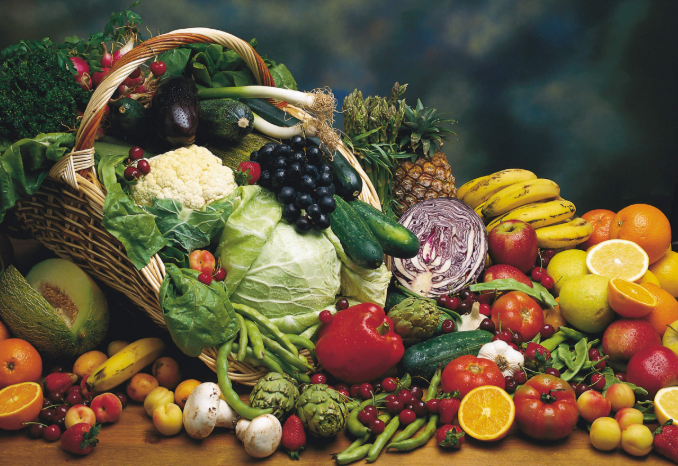
Vegetables: tomatoes, peppers, courgettes, aubergines, lettuces, spinach, asparagus, artichokes
Fruits: peaches, apricots, apples, pears, pomegranates
Herbs: parsley, chives, mint, coriander
2. Axarquía – Subtropical Climate East of Málaga
Location: Between Vélez-Málaga, Periana, and Nerja.
The Axarquía region is famous for its hilly terrain, mild coastal climate, and subtropical fruits. It’s ideal for frost-sensitive crops such as avocados and mangos.
Advantages:
-
Mild year-round climate
-
Mineral-rich, well-drained soils
-
Proximity to the Mediterranean moderates temperature extremes
-
Strong export infrastructure
Disadvantages:
-
Increasing drought issues in recent years
-
Steep terrain requires terracing and erosion control
Best suited crops:
Vegetables: tomatoes, courgettes, peppers, cucumbers, aubergines
Fruits: avocados, mangos, lemons, oranges, mandarins, figs, pomegranates
Herbs: rosemary, thyme, basil, oregano, sage
3. Valle del Guadalhorce – The Green Gateway to the Costa del Sol
Location: Central valley west of Málaga, around Coín, Álora, and Alhaurín el Grande.
This traditional agricultural area is known for fertile soils, a mild climate, and reliable water supply.
Advantages:
-
Fertile alluvial soils with high water retention
-
Good irrigation via reservoirs and canals
-
Year-round mild temperatures
-
Proximity to Málaga for logistics and export
Disadvantages:
-
Rising land prices due to urbanization
-
Water rights must be clearly documented
Best suited crops:
Vegetables: tomatoes, lettuce, spinach, courgettes, cucumbers, cabbages, beans
Fruits: oranges, lemons, mandarins, figs, peaches, pomegranates
Herbs: basil, dill, parsley, coriander, mint
4. Campo de Dalías – The Greenhouse Capital of Almería
This region is the heart of Spain’s intensive vegetable production, supplying large volumes to the European market.
Advantages:
-
Extremely high productivity
-
Established infrastructure and logistics
-
Year-round cultivation possible under greenhouse systems
Disadvantages:
-
Overexploitation of groundwater, high soil salinity
-
Limited potential for sustainable or organic farming
Best suited crops:
Tomatoes, peppers, cucumbers, courgettes, melons
Conclusion
For long-term sustainable and profitable agriculture, the Vega de Granada and the Valle del Guadalhorce stand out as the most attractive areas.
Both offer a perfect balance of water availability, soil quality, and stable climatic conditions – ideal for high-quality, eco-friendly fruit, vegetable, and herb production in Andalusia.